
We’re on a mission to give survivors of sexual harm access to restorative justice.
The Problem:
Sexual violence harms individuals and communities alike. Survivors lack safe spaces to be heard and supported, while those who cause harm rarely have opportunities to take accountability in meaningful ways. These gaps leave trauma unaddressed, relationships strained, and cultures of silence intact.
The Failure of Punitive Responses:
Survivors have the option of seeking a criminal prosecution, a lawsuit, a human resource investigation in workplace settings, and a Title IX investigation in school settings. These interventions focus on the person who caused harm: identifying which rule was broken, proving guilt, and imposing a punishment. This approach exacerbates the trauma of survivors as well as the problematic behavior of people who cause sexual harm.
The Solution:
Just People offers restorative pathways that bring healing, accountability, and community support into the response to sexual harm. Through facilitated dialogues, circles, and trainings, we create spaces where survivors voices and needs are at the center of the process, where those who caused harm can take responsibility, and where relationships and cultures can begin to repair.
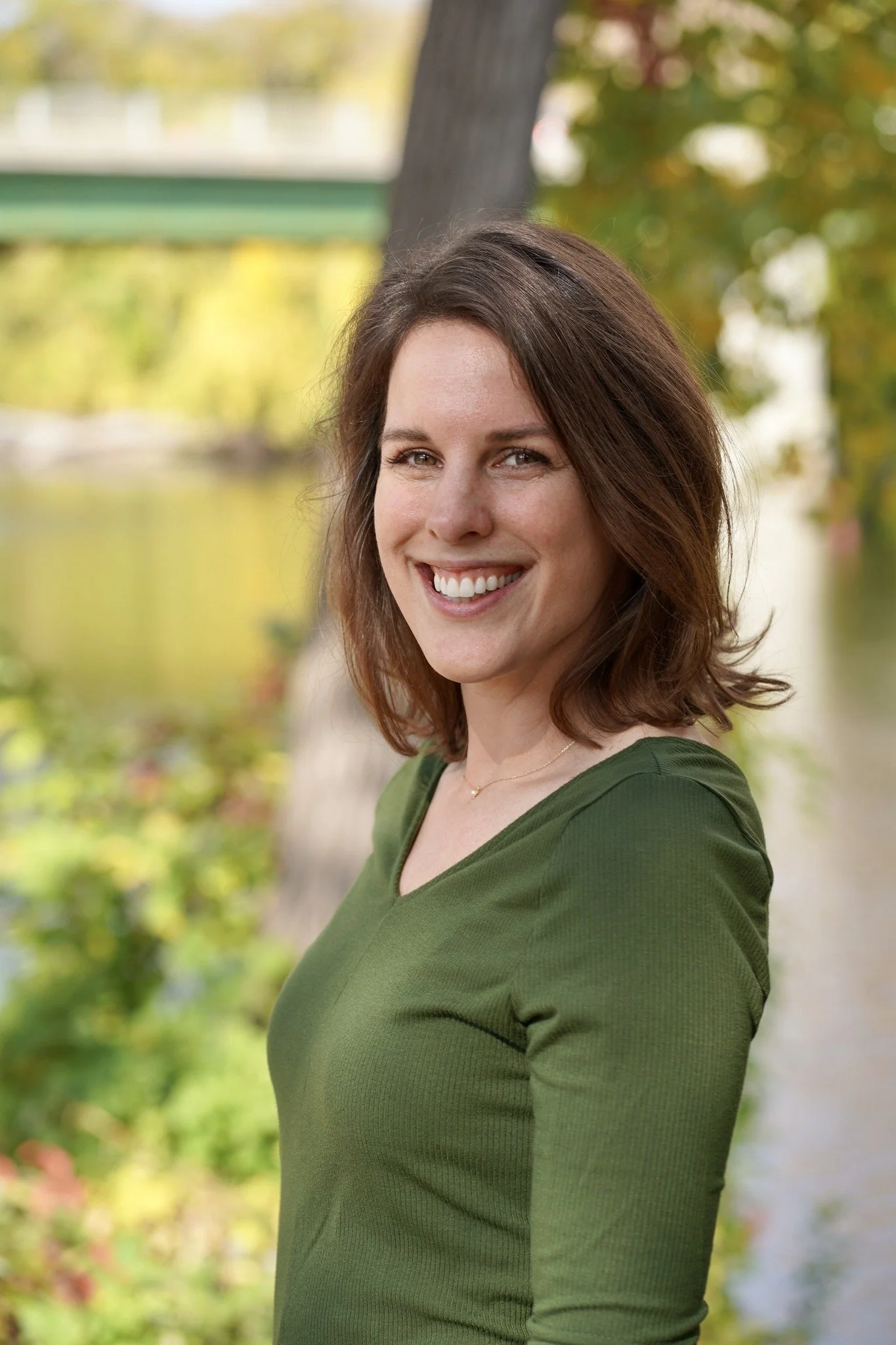
Meet our Founder:
Sarah Super
Sarah Super is a facilitator, an advocate, and a rape survivor.
Prior to Just People, Sarah founded and led Break the Silence for six years: an initiative that created trauma-informed platforms for survivors of sexual violence to publicly share their names and stories as a tactic to make change in their communities. In doing that work, Sarah saw how frequently communities responded to these stories by simply trying to ignore survivors or by seeking punishment for the people who caused them harm. But silence and punishment fail and miss the larger truth: sexual violence is a cultural problem that all of us play a role in fixing.
Today, Sarah facilitates restorative processes that support individuals, teams, and organizations in addressing sexual harm directly. She brings a background in learning & development, community organizing, and systems change, along with a Master’s degree in Human Resource Development, a graduate certificate in Restorative Justice, and Bachelors’ degrees in American Studies and Sociology.
Our Services
Our services help you to navigate harm outside of the legal system. Minnesota Statute protects statements made and documents created within a restorative practice from being admissible as evidence in criminal and civil court.
-
Voluntary, intentional conversations between people who have been victimized and people who have caused harm. This could be a 1-1 facilitated dialogue or a facilitated circle process with everyone involved (and their support people).
-
People often do not know what to do or how to respond after someone in their life has experienced sexual harm. We help gather friends, family and community members to support the survivor and community’s healing process.
-
Let us help you navigate the brave conversations when sexual harm impacts your organization.
We can support your rapid response to sexual harm, provide a team reset to help rebuild relationships, and prevent sexual harm through proactive culture-building dialogues. Contact us for pricing and more information.
-
Join us for our Second Sundays series or contact us for trainings in your organization on topics of restorative leadership, trauma, accountability, apologies, and repair.
Join us for Second Sundays:
a community dialogue series
Just People is launching a monthly series on Zoom the Second Sunday of each month for survivors, advocates and allies curious about restorative responses to sexual harm. We will explore the transformative perspectives and practices of restorative justice and imagine responses to sexual harm that move beyond punishment and silence toward accountability, healing, and community. Each gathering will invite participants to engage and reflect with some of the leading voices in the field.
April: Alissa Ackerman of Ampersands Restorative Justice in California, on victim-centered restorative interventions.
May: Chris Godsey of the MN Dept of Corrections’ apology letter program, on the elements of meaningful apologies.
June: Kay Pranis, international expert on Circles, on the assumptions and theories underlying a restorative response.
July: Felicia McCrary, of the Office of Student Conflict Resolution at the University of Michigan, on a program for students found responsible for sexual and gender-based misconduct on college campuses.
August: Loren Linscott, a violence prevention & response consultant, on the roles of men and masculinity in building a restorative culture.
September: Kurt RuKim, RJ practitioner and sex educator, on restorative approaches to sex education.
October: Tim Chapman, international scholar from Northern Ireland, on restorative interventions to sexual harm within large institutions.
November: Amber Schroeder, ED of the national Association for the Treatment & Prevention of Sexual Abuse, on the elements of treatment for people who have caused sexual offenses.
December: Alicia Nichols, Director of the MN Office of Restorative Practices, on transforming systems to be restorative in principle and practice.

“Survivors of violence, who know in their bones the truths that many others would prefer not to know, can lead the way to a new understanding of justice. The first step is simply to ask survivors what would make things right - or as right as possible - for them. This sounds like such a reasonable thing to do, but in practice, it is hardly ever done. Listening, therefore, turns out to be a radical act.”
Connect with us
Donate
Tax deductible gifts can be made via our fiscal sponsor, Social Good Fund, to support our programs and provide free restorative processes to survivors of sexual violence.
© Just People
Just People is a fiscally sponsored project of Social Good Fund, a California nonprofit corporation and registered 501(c)(3) organization, Tax ID (EIN) 46-1323531.